
Postpartum Recovery: What to Expect in the First 6 Weeks After Delivery
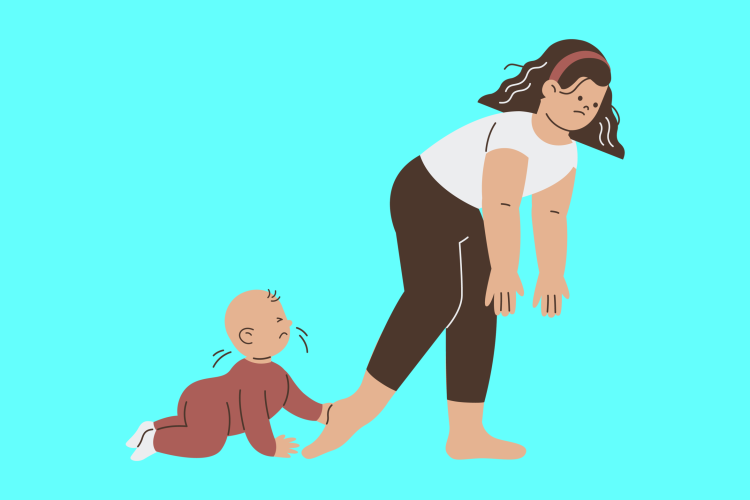
The postpartum period — the first six weeks after delivery — is a time of significant physical recovery and emotional adjustment. Often called the “fourth trimester,” this period deserves as much attention and care as the pregnancy itself. Understanding what to expect can help new mothers navigate this transition with greater confidence.
Physical Recovery
Vaginal Bleeding (Lochia): Postpartum bleeding is normal and can last 4–6 weeks. It typically progresses from heavy red bleeding (first few days) to pinkish-brown, and finally to a yellowish-white discharge. Using sanitary pads (not tampons) is recommended. Seek medical attention if bleeding suddenly becomes heavy, contains large clots, or has a foul odor.
Uterine Involution: The uterus takes approximately 6 weeks to return to its pre-pregnancy size. Afterpains (cramping) during breastfeeding are caused by oxytocin-stimulated uterine contractions and are actually a positive sign of recovery. These are often more noticeable after second and subsequent deliveries.
Perineal Care: If you had a vaginal delivery with an episiotomy or tear, the area typically heals within 2–3 weeks. Keep the area clean, use a peri-bottle for washing, and sitz baths can provide relief. Ice packs in the first 24 hours help reduce swelling.
Cesarean Recovery: Incision care is important — keep the area clean and dry, watch for signs of infection (redness, warmth, discharge, fever). Avoid lifting anything heavier than your baby for 4–6 weeks. Walking soon after surgery helps prevent blood clots and aids recovery.
Breastfeeding
Breast milk production follows a predictable pattern: colostrum (thick, yellowish first milk) in the first 2–3 days, transitional milk until about day 10, and mature milk thereafter. Breastfeeding should be initiated within the first hour after birth when possible.
Common challenges include sore nipples (often due to improper latch), engorgement, and concerns about milk supply. A lactation consultant can provide invaluable support during the early days. The WHO recommends exclusive breastfeeding for the first 6 months.
Emotional Wellbeing
Baby Blues: Up to 80% of new mothers experience the “baby blues” — mood swings, tearfulness, anxiety, and irritability — in the first 2 weeks after delivery. These feelings are caused by hormonal shifts and typically resolve on their own.
Postpartum Depression (PPD): Unlike baby blues, PPD is more severe and persistent. Warning signs include persistent sadness lasting more than 2 weeks, inability to bond with the baby, overwhelming fatigue, withdrawal from family and friends, loss of interest in activities, thoughts of harming yourself or the baby, and severe anxiety or panic attacks. PPD affects 10–20% of new mothers and is a treatable medical condition. If you recognize these symptoms, please seek help immediately.
Postpartum Follow-Up
Schedule a postpartum visit at 6 weeks (or earlier if you had complications). This visit includes assessment of physical recovery, mental health screening, breastfeeding support, discussion of contraceptive options, and cervical screening if due.
Self-Care Tips
- Sleep when the baby sleeps — this is not just advice, it is essential
- Accept help from family and friends
- Stay hydrated and eat nutritious meals
- Gentle walking can begin within days of an uncomplicated delivery
- Pelvic floor exercises (Kegels) can be started early to aid recovery
- Give yourself grace — adjusting to parenthood takes time
Recovery is not linear, and every mother’s experience is different. Do not hesitate to reach out to your healthcare provider with any concerns during this period.
