
Managing Menopause: Navigating Symptoms and Maintaining Quality of Life
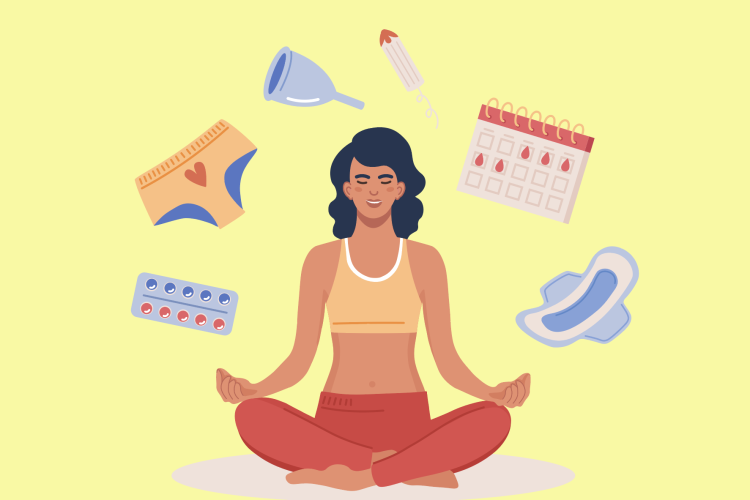
Menopause is a natural biological transition, not a disease. It is defined as the permanent cessation of menstruation, confirmed after 12 consecutive months without a period. The average age of menopause in Indian women is 46–48 years, though it can occur anywhere between 40 and 55.
The Perimenopause Phase
The transition to menopause (perimenopause) can begin 4–8 years before the last period. During this phase, fluctuating estrogen levels cause irregular periods, and many women begin experiencing menopausal symptoms. This is often the most symptomatic phase.
Common Symptoms
Vasomotor symptoms: Hot flashes and night sweats affect 60–80% of menopausal women. They typically last 1–5 minutes and can occur multiple times daily. For most women, these symptoms resolve within 4–5 years, but some experience them for over a decade.
Urogenital changes: Declining estrogen leads to vaginal dryness, irritation, painful intercourse (dyspareunia), and increased urinary tract infections. These symptoms tend to worsen over time without treatment.
Sleep disturbances: Difficulty falling asleep, staying asleep, or waking too early — often compounded by night sweats.
Mood changes: Irritability, anxiety, and mood swings are common. Women with a history of depression are at higher risk of recurrence during menopause.
Other symptoms: Joint pain, fatigue, brain fog, decreased libido, and skin changes.
Long-Term Health Considerations
Bone Health: Estrogen plays a critical role in maintaining bone density. Women can lose up to 20% of bone density in the 5–7 years following menopause, increasing fracture risk. DEXA scans are recommended at age 65, or earlier if risk factors are present.
Cardiovascular Health: The protective effect of estrogen on the cardiovascular system diminishes after menopause. Heart disease risk increases significantly, making lifestyle modifications and risk factor management essential.
Management Options
Lifestyle Modifications:
- Regular weight-bearing exercise (at least 30 minutes daily)
- Calcium (1200 mg/day) and Vitamin D (800–1000 IU/day) supplementation
- Balanced diet rich in phytoestrogens (soy, flaxseeds, legumes)
- Limiting caffeine, alcohol, and spicy foods (which can trigger hot flashes)
- Stress management through yoga, meditation, or mindfulness
Hormone Replacement Therapy (HRT): HRT remains the most effective treatment for vasomotor symptoms. Current guidelines support its use for symptomatic women under 60 or within 10 years of menopause onset, with individualized risk-benefit assessment. Low-dose formulations and transdermal delivery (patches, gels) offer improved safety profiles.
Non-Hormonal Options: For women who cannot or prefer not to use HRT, options include SSRIs/SNRIs for hot flashes, vaginal moisturizers and low-dose vaginal estrogen for urogenital symptoms, and gabapentin for hot flashes and sleep disturbance.
Menopause is a natural milestone. With the right support and management, women can navigate this transition comfortably and maintain an excellent quality of life.
