
Endometriosis: The Silent Condition Affecting 1 in 10 Women
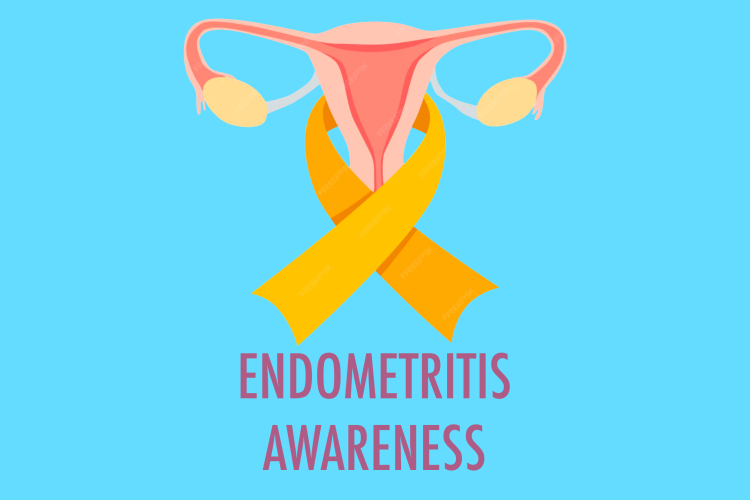
Endometriosis is a chronic condition where tissue similar to the uterine lining (endometrium) grows outside the uterus — on the ovaries, fallopian tubes, pelvic peritoneum, and sometimes on the bowel or bladder. It affects approximately 10% of women of reproductive age worldwide, yet the average delay in diagnosis is 7–10 years.
Why the Delay in Diagnosis?
Endometriosis is often misdiagnosed because its symptoms overlap with other conditions. Many women are told their pain is “normal period pain” or dismiss their symptoms themselves. The normalization of menstrual pain in society contributes significantly to diagnostic delays.
Symptoms
- Dysmenorrhea (painful periods) — pain that is progressive, often starting days before the period and extending beyond
- Chronic pelvic pain — pain that is not limited to menstruation
- Dyspareunia — deep pain during or after intercourse
- Painful bowel movements or urination — especially during menstruation
- Heavy or irregular bleeding
- Infertility — endometriosis is found in 30–50% of women with infertility
- Fatigue, bloating, and nausea — often underrecognized symptoms
Diagnosis
While a clinical history and examination may raise suspicion, diagnosis is confirmed through:
- Transvaginal ultrasound — can identify endometriomas (chocolate cysts) on the ovaries
- MRI — useful for deep infiltrating endometriosis
- Laparoscopy — remains the gold standard for definitive diagnosis, allowing direct visualization and biopsy of endometrial implants
Blood tests like CA-125 may be elevated but are not specific enough for diagnosis.
Treatment
Pain Management: NSAIDs (ibuprofen, mefenamic acid) are first-line for symptom relief. These work best when started 1–2 days before the expected onset of pain.
Hormonal Therapy: Aims to suppress estrogen and reduce endometrial growth. Options include combined oral contraceptive pills (continuous use), progestins (oral, injectable, or LNG-IUS/Mirena), GnRH agonists (for short-term use due to bone density concerns), and newer GnRH antagonists like elagolix.
Surgical Treatment: Laparoscopic excision or ablation of endometrial implants is recommended for women who do not respond to medical therapy or who desire fertility. Excision surgery, which removes the disease rather than just burning the surface, is associated with lower recurrence rates.
Fertility Considerations: Women with endometriosis-related infertility may benefit from surgical treatment followed by a “window of opportunity” for natural conception, or may proceed directly to IVF depending on disease severity and other factors.
Living with Endometriosis
Endometriosis is a chronic condition that requires ongoing management. An anti-inflammatory diet, regular exercise, stress reduction, and adequate sleep can help manage symptoms alongside medical treatment. Support groups and counseling can also play an important role in coping with the physical and emotional impact of the disease.
If your period pain is disrupting your daily life, it deserves medical attention. Pain that requires you to miss work, school, or social activities is not normal.
